
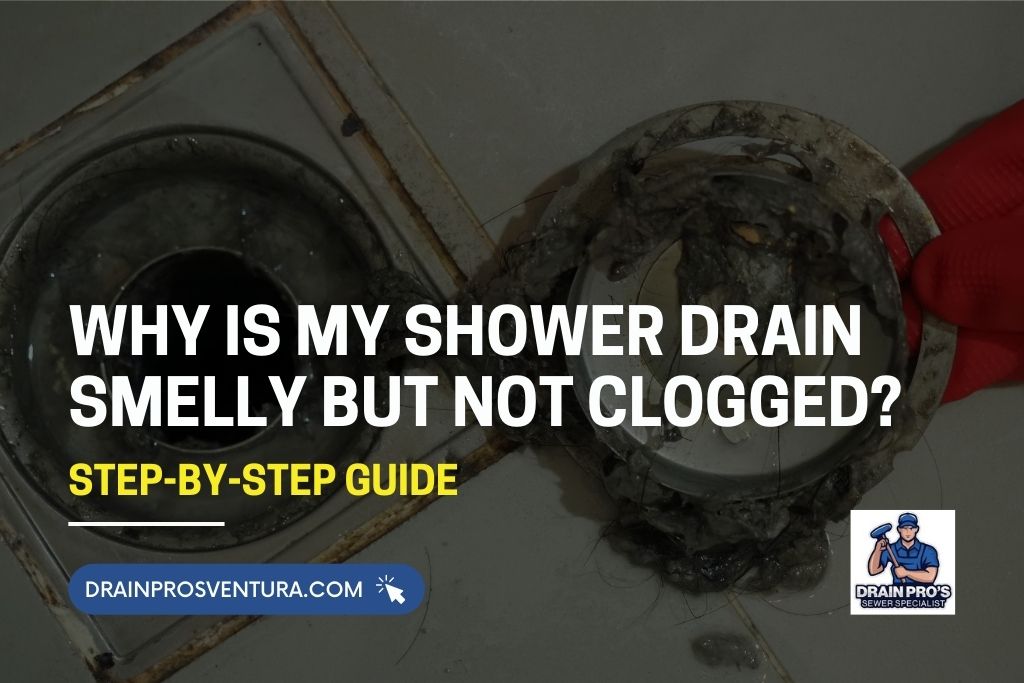
Does your shower drain smell bad even though it’s not clogged? A smelly shower drain is a common problem. It can make your bathroom uncomfortable, even if water flows normally.
The odor can come from several sources:
- Soap scum buildup – leftover soap can trap bacteria.
- Bacteria and mold – warm, damp drains are a perfect place for growth.
- Dry P-trap – if the water in your trap dries out, sewer gases can escape.
Even though it seems small, ignoring the smell can lead to bigger plumbing issues later.
In this article, we’ll cover the most common causes of a smelly shower drain. We’ll also share easy ways to clean and maintain your drain, keeping your bathroom fresh and odor-free.
What Causes a Smelly Shower Drain but No Clog?
A smelly shower drain can be annoying, even when water drains normally. So why does it smell bad if there’s no clog?
The problem usually comes from a few common issues inside your pipes, where you can’t see them. Understanding these causes can help you fix the smell quickly.
Let’s look at the main reasons a shower drain smells and what you can do to stop it.
1. Buildup of Soap Scum and Hair
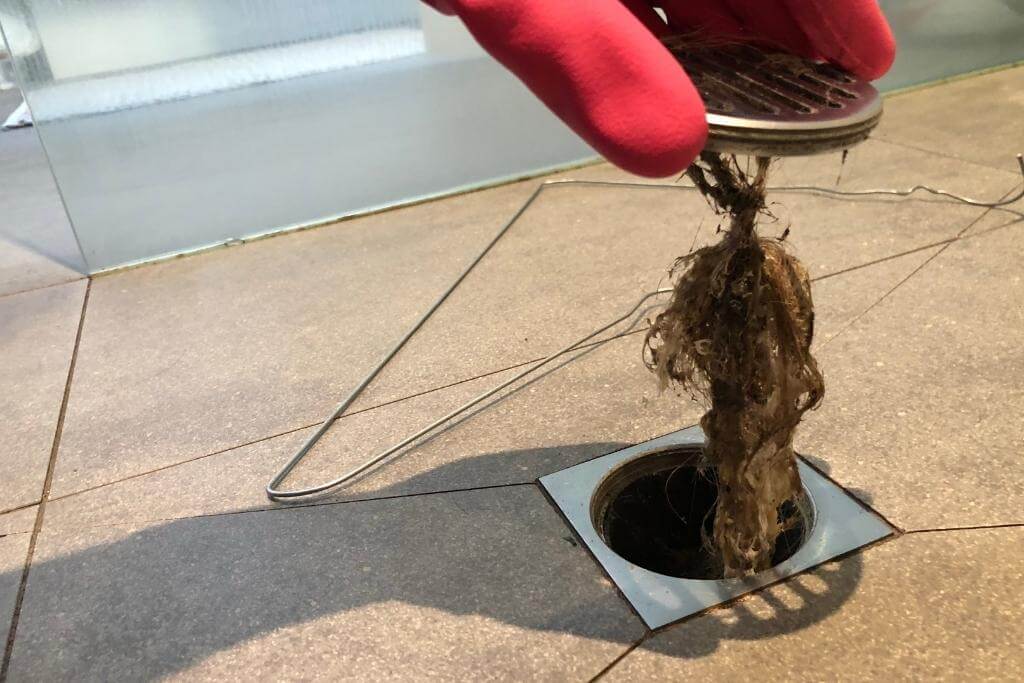
Every time you shower, soap, shampoo, body oils, hair, and dead skin cells wash down the drain. These materials may not block the pipe completely, but they stick to the pipe walls.
Over time, this sticky residue builds up. As it breaks down, it releases foul odors, causing your shower drain to smell bad.
How it happens:
- Soap, shampoo, body oils, and hair flow down the drain.
- These substances stick to the pipe walls, forming residue.
- The residue decomposes and produces unpleasant odors.
2. Shower Drain Bacteria and Mold
The dark, damp environment inside your drain creates a perfect home for bacteria and mold. These microorganisms feed on organic matter, such as soap scum and hair, that collects in the pipes.
As they grow, they release a musty or sewer-like smell, which can make your shower drain smell bad all the time.
How it happens:
- Damp, dark conditions inside the pipe allow bacteria and mold to thrive.
- Organic matter like soap scum and hair feeds these microorganisms.
- As bacteria and mold multiply, they produce musty or sewer-like odors.
3. Dry P-Trap
The P-trap is a U-shaped pipe under your drain. Its job is to hold water and block sewer gases from entering your home.
If you don’t use your shower for a while, the water in the P-trap can evaporate. This lets sewer gas escape into your bathroom, causing a strong, unpleasant odor.
How it happens:
- The P-trap prevents sewer gases from entering your home.
- If the shower isn’t used, water in the P-trap may evaporate.
- Sewer gas can flow into your bathroom, causing a bad smell.
4. Biofilm Accumulation
Biofilm is a slimy layer of bacteria and microorganisms that sticks to the inside of pipes. It grows on waste materials like soap scum and hair.
Even without a clog, biofilm can produce a foul odor as it multiplies.
How it happens:
- Biofilm forms from bacteria and microorganisms in the drain.
- It feeds on organic waste like soap scum and hair.
- As the biofilm grows, it releases unpleasant odors.
How Can You Fix a Smelly Shower Drain?
Once you know what’s causing your smelly shower drain, you can take simple steps to remove the odor.
Here are some easy and effective ways to fix the problem:
Clean Your Shower Drain with Baking Soda and Vinegar
One of the easiest and most effective DIY ways to fix a smelly shower drain is using baking soda and vinegar. This combination helps break down buildup and neutralize odors.
Steps:
- Pour ½ cup of baking soda down the drain.
- Follow with ½ cup of white vinegar.
- Let the mixture sit for at least 30 minutes.
- Flush the drain with hot water to remove residue and odor.
This method keeps your pipes clean and your shower smelling fresh.
Use Boiling Water
Boiling water is another simple way to fix a smelly shower drain. It can dissolve soap scum and kill odor-causing bacteria.
Steps:
- Carefully pour a pot of boiling water down the drain.
- Let it sit for a few minutes so it works through the pipes.
- Repeat a few times to remove stubborn buildup and freshen your drain.
Boiling water is a quick, chemical-free solution to keep your shower drain clean and odor-free.
Use Enzyme-Based Cleaners
Enzyme-based cleaners are a natural way to fix a smelly shower drain. They use bacteria and enzymes to break down organic waste in your pipes. This helps remove buildup safely and effectively.
Steps:
- Choose an enzyme-based cleaner made for drains.
- Follow the instructions on the label for best results.
- Let the cleaner work to break down buildup and odors.
These cleaners are gentle on plumbing and help keep drains fresh. They are also a great long-term solution for maintaining a clean, odor-free shower.
By using baking soda and vinegar, boiling water, or enzyme-based cleaners, you can eliminate shower drain odors and prevent them from coming back. Regular maintenance keeps your shower fresh and clean.
How to Prevent Shower Drain Odors in the Future?
Preventing a smelly shower drain is easier than fixing it after it starts. Regular maintenance can stop odors from coming back. Simple habits help keep your shower drain fresh and clean.
Regular Cleaning Practices
Keep your drain clean by making it part of your routine.
- Flush with hot water – Run hot water down the drain once a week or every two weeks. This helps wash away soap, grease, and debris.
- Use baking soda and vinegar – Pour a half cup of baking soda into the drain, followed by a half cup of vinegar. Let it sit for 10–15 minutes, then rinse with hot water. This breaks down buildup and neutralizes odors.
Regular cleaning prevents smelly drains and keeps your shower fresh.
Using Drain Covers
A mesh drain cover is a simple way to protect your drain.
- Catch hair and debris – The cover stops hair and larger particles from going down the drain. This reduces buildup that can rot and cause odors.
- Clean after each shower – Remove the trapped hair or debris and throw it in the trash.
Using a drain cover helps prevent clogs and keeps your shower smelling fresh.
Maintaining a Moist P-Trap
If you don’t use your shower often, the P-trap can dry out. This lets sewer gases enter your bathroom.
- Run water weekly – Pour water down the drain for 1–2 minutes each week.
- Keep the water barrier – This ensures the P-trap stays full and blocks sewer gases from coming up.
Maintaining a moist P-trap prevents bad odors and keeps your bathroom fresh.
Could a Smelly Shower Drain Indicate a Bigger Problem?
A persistent smelly shower drain could be a sign of a more serious plumbing issue, such as problems with your sewer line. If the odor is very strong and smells like sewage, or if the smell is coming from multiple drains in your home, it may be time to have your main sewer line inspected.
If you’re unsure whether the odor is caused by normal buildup or a plumbing issue, our guide on <a href=”https://drainprosventura.com/shower-drain-smells-no-clog-causes-fixes/“>why a shower drain smells but isn’t clogged</a> explains the most common causes and how to fix them.
Sewer Line Issues
Blockages, cracked pipes, or a broken vent stack in the main sewer line can cause sewer gases to back up into your home. If you notice a foul smell in multiple drains or experience slow draining, it’s important to call a professional plumber to address the issue.
- Blockages, fissured pipes, or broken vent stacks can cause sewer gases to enter your home.
- A foul smell in multiple drains may indicate a sewer line problem.
Call a Professional Plumber for Sewer Line Issues
Sewer gas is harmful, and trying to fix the problem yourself can make it worse. Call a trusted plumber to inspect your sewer line and resolve the issue safely.
Call Drain Pros Ventura for Smelly Shower Drain Solutions
A smelly shower drain might seem like a tricky problem, but it’s usually solvable. The causes can range from simple biofilm buildup to a dry P-trap. Regular drain cleaning and maintenance can keep your drain smelling fresh.
If the smell persists or involves a more serious issue, such as a damaged sewer line, it’s important to consult a professional plumber. Drain Pros Ventura is experienced in diagnosing and solving shower drain issues effectively and safely.
Frequently Asked Questions
What are the symptoms of a damaged sewer pipe?
Signs of a damaged sewer pipe include a strong sewer-like smell inside or outside your house. Other signs are gurgling noises from drains, slow-draining fixtures, and very green or spongy spots in your lawn.
How do you tell if your sewer line needs to be replaced?
Frequent clogs, backups, or cracks in the foundation are signs that your sewer line may need replacing. If your home is older or you’ve noticed pest issues, it’s a good idea to schedule a camera inspection.
How much does it cost to have a sewer line checked?
A sewer line camera inspection typically costs a few hundred dollars. The price varies based on location and the complexity of the job, but it’s worth the investment to avoid larger problems later.
How to know if the main sewer line is leaking?
Look for exposed sewer lines, very lush, dense areas in your yard, or soggy spots in your lawn. If you notice slow-moving drains throughout your home, it could be a sign of a sewer line leak.