
Does your toilet won’t unclog no matter how hard you try? You’re not alone. Many homeowners face this frustrating problem and wonder why the plunger just doesn’t seem to work.
A clogged toilet is one of the most common household annoyances. But sometimes, clearing it isn’t as simple as it seems.
Understanding why your plunger isn’t working can save you time, money, and stress.
Here’s what this guide will cover:
- Why your plunger might not be effective
- How to use a plunger correctly
- Alternative solutions for stubborn clogs
This article explains the potential causes of a stubborn clog, how to plunge effectively, and other practical steps to get your toilet flowing again.
Why Your Toilet Wont Unclog With a Plunger
Your toilet might not be unclogging with a plunger for several reasons. Common causes include using the wrong plunger type, improper plunging technique, a clog located too far down the line, too much toilet paper or solid waste, or a hard obstruction that the plunger can’t move. To address this:- Make sure you’re using a flange plunger, which is designed specifically for toilets.
- Maintain a good seal by covering the plunger with water.
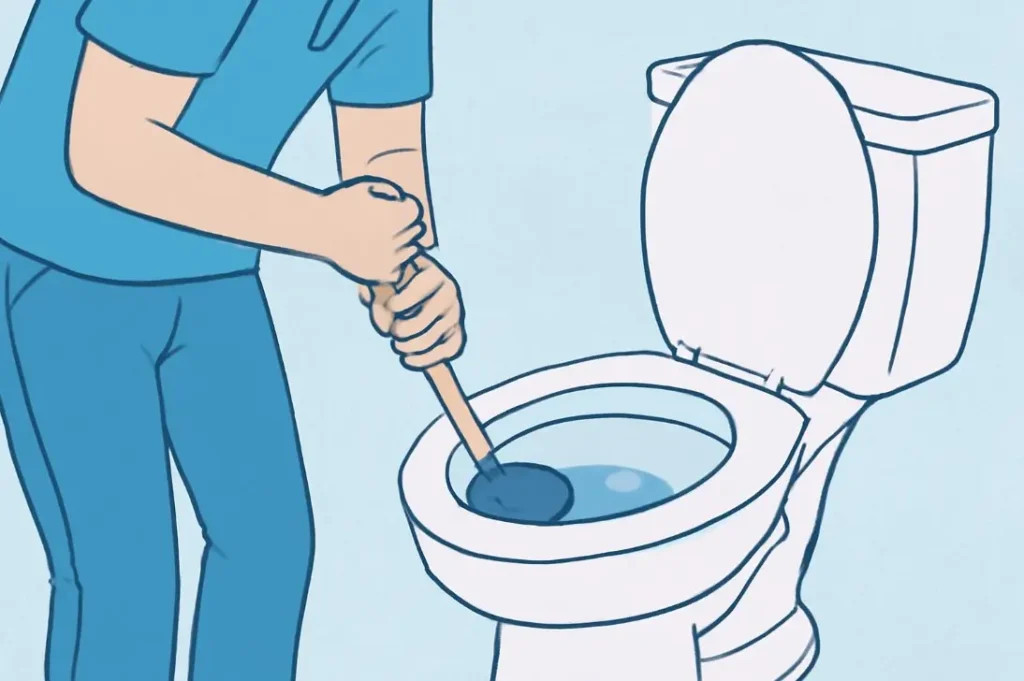
- Use the proper plunging technique, pushing and pulling vigorously to create suction.
- If the clog still won’t budge, a toilet auger or professional plumber may be needed.
Reasons a Plunger May Not Be Working
1. Wrong Plunger Type
A standard flat cup plunger isn’t effective for toilets. Its flat surface can’t create a strong seal in the toilet drain. Instead, use a flange plunger with an extended rubber flange that fits the toilet opening.
2. Improper Technique
If you don’t create a proper seal or plunge vigorously enough, the suction needed to dislodge the clog won’t form. Make sure the plunger is fully covered with water and use firm, controlled thrusts.
3. Deep or Stubborn Clog
Some blockages are too far down the drainpipe for a plunger to reach. Flushable wipes, sanitary items, or other non-dissolvable materials can create clogs that require extra tools.
4. Too Much Waste
Excess toilet paper or very dense solid waste can form a blockage that is difficult to break up with plunging alone.
5. Hard Obstruction
Sometimes a foreign object, like a child’s toy, can get lodged in the pipe, creating an immovable blockage.
How to Fix It
- Use a flange plunger for toilets
- Ensure the plunger is fully submerged in water to create a good seal
- Plunge with steady, forceful strokes
- If the clog persists, try a toilet auger
- Call a professional plumber for stubborn or unusual blockages
 Learn why your toilet is bubbling and what it means before the issue gets worse. A licensed plumber has the tools and expertise to safely resolve stubborn or complex clogs.
How to Unclog a Toilet When a Plunger Doesn’t Work
If your toilet remains clogged despite repeated plunging, approaching the problem systematically can save time and stress. Here’s a step-by-step guide to tackle even the most stubborn blockages:1. Confirm You Have the Right Plunger
Not all plungers are created equal. For toilets, a flange plunger is essential.
-
Flat cup plungers often fail to create a proper seal.
-
A flange plunger has an extended rubber piece that fits snugly into the toilet drain.
-
This allows you to generate the suction needed to move the clog.
Using the wrong plunger is one of the most common reasons unclogging attempts fail.
2. Improve the Seal
A proper seal is key to effective plunging:
-
Make sure the plunger’s flange is fully unfolded.
-
Ensure the entire cup is submerged in water.
-
If there’s not enough water in the bowl, add some.
A poor seal reduces suction, making it harder to dislodge the blockage.
3. Plunge Correctly
Technique matters:
-
Slowly press the plunger down to engage the seal.
-
Use a vigorous back-and-forth motion for about 30 seconds without lifting the plunger.
-
Repeat several times if needed, but avoid excessive force to prevent cracking the toilet bowl.
4. Try an Alternative Method
If plunging doesn’t work, a toilet auger (plumbing snake) can help:
-
Insert the auger carefully into the toilet.
-
Twist to break up or retrieve the clog.
-
Useful for blockages caused by flushable wipes, toys, or dense solid waste.
5. Check for Hard Obstructions
Some clogs are caused by foreign objects:
-
Inspect the toilet bowl and drain without forcing anything down.
-
Toys or other debris may need manual removal.
-
If unsure, seek professional help to avoid plumbing damage.
6. Use Enzyme-Based Cleaners (Optional)
For organic clogs like toilet paper or waste:
-
Enzyme-based cleaners break down material safely over time.
-
They are gentler than chemical alternatives and safe for pipes and septic systems.
-
Avoid harsh chemicals that can corrode plumbing or worsen blockages.
7. Call a Professional
If none of these methods work, the problem may be more serious:
-
There could be a blockage in the main sewer line or deeper plumbing issues.
-
A licensed plumber has the tools and expertise to safely resolve stubborn or complex clogs.
Call Drain Pros Ventura for Toilet Unclogging Solutions in Ventura County
When your toilet won’t unclog with a plunger, don’t waste time or risk damaging your plumbing with trial-and-error fixes.
Drain Pros Ventura specializes in unclogging toilets and repairing drainage systems. Our licensed technicians use advanced equipment to diagnose the problem and provide lasting solutions; quickly, safely, and efficiently. If you live in Ventura County, contact Drain Pros Ventura today for reliable, professional drainage service that gets your toilet working properly again.