

Cleaning a shower drain is one of the most effective ways to clear stubborn blockages and restore smooth water flow in your bathroom. Over time, drains can become clogged with:
- Hair
- Soap scum
- Other debris
These build-ups can lead to slow draining or even a complete blockage.
While chemical cleaners might offer a quick fix, they can damage pipes over time. Snaking your drain, on the other hand, is a safe, reliable, and long-lasting solution.
Ignoring a clogged drain can result in:
- Unpleasant odors
- Poor drainage
- Potential water damage
In this guide, we’ll cover everything you need to know about snaking a shower drain, including:
- Why your shower drain gets clogged
- When it’s time to use a snake
- Step-by-step instructions to snake a drain
- Tips to keep your shower drain clog-free
With this information, you can maintain your plumbing system and keep it running efficiently.
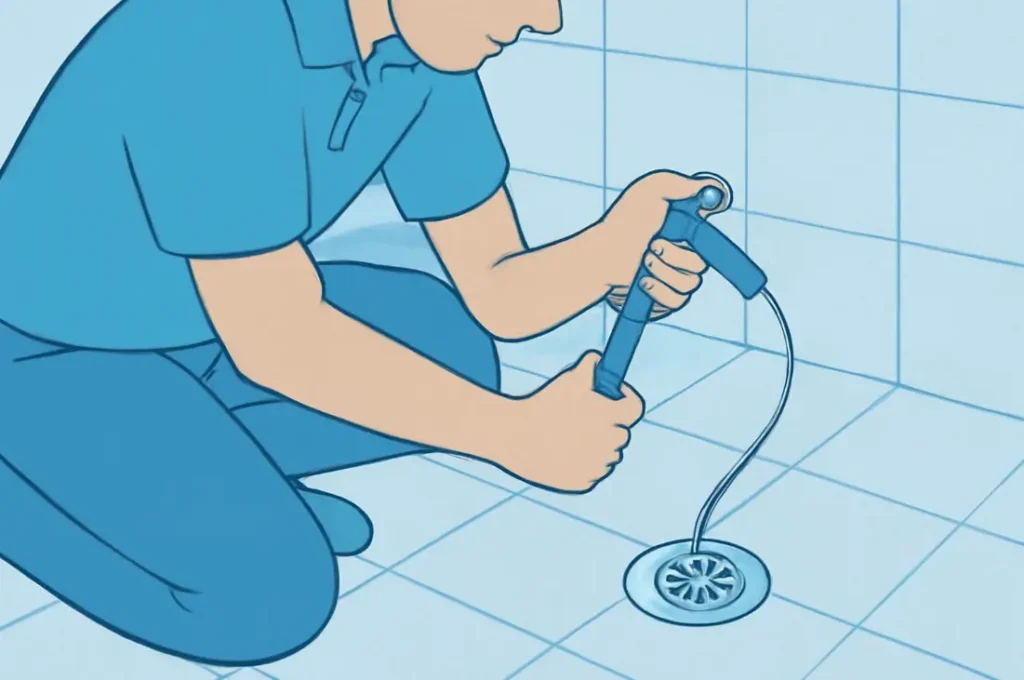
What is a drain snake, and how does it work?
A drain snake is a flexible metal cable designed to tackle tough clogs that liquid drain cleaners often can’t handle. This handy plumbing tool reaches deep into your pipes to physically break up or remove blockages, restoring smooth water flow in your shower.
Tools Needed for Snaking a Shower Drain: Before you begin clearing your shower drain, make sure you have the following items ready:- Hand-crank drain snake (25-foot length recommended)
- Rubber gloves
- Safety glasses
- Bucket or towels
- Flashlight or phone light
- Screwdriver (for removing drain covers)
- Pliers (for stubborn debris)
Why Your Shower Drain Gets Clogged
Understanding the cause of a clog can help you prevent future problems. Shower drains often get blocked due to:- Hair: The most common culprit, hair easily gets caught in the drain and combines with soap or shampoo residue.
- Soap Scum: Over time, soap forms a sticky layer on pipes that traps debris.
- Mineral Deposits: Hard water can leave behind mineral buildup that narrows the pipe.
- Foreign Objects: Small items like jewelry, loofahs, or bath toys can accidentally fall into the drain.
- Grease or Oils: Body oils, conditioner, or bath oils can coat the pipe walls and attract other debris.
When It’s Time to Use a Snake
Not every slow or clogged shower drain requires a plumbing snake. Understanding when to use one can save you time, prevent damage, and keep your plumbing system in good condition. Here are the key signs that it’s time to reach for a snake:1. Slow Drainage
If water takes noticeably longer than usual to go down the drain, even after removing the drain cover and clearing visible hair and debris, this usually indicates a deeper clog further down the pipe. A snake can reach blockages that you can’t access by hand.2. Standing Water
When water pools in the shower or tub and doesn’t drain completely, it’s a strong indication that the drain is partially blocked. Standing water not only makes showers inconvenient but can also become a breeding ground for mold and bacteria if left unaddressed.3. Recurring Clogs
If your drain frequently clogs despite regular maintenance, a deeper obstruction may be present. This could be a build-up of hair, soap scum, or other debris stuck further along the pipe. Snaking can help remove these persistent blockages more effectively than surface-level cleaning.4. Unpleasant Odors
Persistent smells coming from your drain often indicate trapped organic matter inside the pipes. While cleaning the surface trap can help temporarily, a snake can reach and remove the source of the odor to prevent it from returning.5. Chemical Cleaners Fail
If commercial drain cleaners fail to clear the clog, it’s usually a sign that the blockage is solid or too dense for chemical treatment. Snaking the drain is a safe alternative that avoids the risk of pipe corrosion or damage often caused by repeated chemical use.6. Preventative Measures
Even if a clog isn’t severe, occasional snaking can help maintain proper water flow and prevent buildup from becoming a major issue. This is particularly useful for households with multiple occupants or pets, where hair and soap residue accumulate quickly.Step-by-Step Instructions to Snake a Shower Drain
Snaking a shower drain is a practical and effective way to remove stubborn clogs. Follow these detailed steps to do it safely and efficiently:1. Gather Your Tools and Prepare
Before starting, make sure you have:- A drain snake (also called a plumber’s auger)
- Rubber gloves
- Bucket or container
- Old towels or rags
- Flashlight (optional, to inspect the drain)
2. Inspect the Drain
Use a flashlight to look into the drain. This helps you identify the type of blockage. Common clogs include:- Hair
- Soap scum
- Small objects accidentally dropped
3. Insert the Snake
- Uncoil a few feet of the snake and carefully insert it into the drain.
- Feed it slowly, turning the handle clockwise. This helps the snake move past bends in the pipe.
- Continue pushing until you feel resistance. This is likely where the clog is located.
4. Clear the Clog
Once the snake reaches the blockage, rotate the handle slowly while gently pushing forward. This motion helps break up compacted hair, soap scum, and other debris. If your snake has a hook or grabber attachment, use it to pull out tangled hair and other materials. You may need to repeat this process a few times until the snake moves freely and the pipe feels clear. Key tips while clearing the clog:- Work slowly to avoid damaging pipes.
- Pull out large debris gradually, rather than forcing it through.
- Be patient, sometimes clogs are deeper than they seem.
5. Remove the Snake and Clean the Area
After the clog is cleared, retract the snake carefully to avoid spilling debris back into the drain. Dispose of the removed material in a trash bag, never flush it. Rinse the snake thoroughly and disinfect it to prevent bacteria and odors. Wipe up any water or debris around the drain to keep the bathroom clean.6. Test the Drain
Run hot water for 3–5 minutes to flush out any remaining particles and ensure smooth flow. Check that water drains quickly without pooling. If drainage is still slow, the clog may be deeper, and repeating the snaking process might be necessary.7. Prevent Future Clogs
Regular maintenance can save you time and prevent repeated blockages. Consider these tips:- Install a drain cover or hair catcher to trap hair and debris.
- Flush the drain weekly with hot water or a natural solution of baking soda and vinegar.
- Avoid pouring grease, thick shampoo, or sticky substances down the drain.
- Inspect the drain periodically and remove small buildup before it becomes a major clog.
Tips to Keep Your Shower Clog-Free
Preventing clogs is much easier than fixing them. With a few simple habits, you can keep your shower drain flowing smoothly and avoid unpleasant backups.
1. Use a Drain Cover or Hair Catcher
A drain cover or mesh hair catcher is one of the easiest ways to stop hair and debris from entering the pipes. Clean it regularly to prevent buildup.
2. Regular Flushing
Flush the drain with hot water at least once a week. This helps wash away soap residue, body oils, and other small particles before they accumulate.
3. Natural Cleaning Solutions
Every couple of weeks, pour a mixture of baking soda and vinegar down the drain. Let it sit for 10–15 minutes, then flush with hot water. This breaks down soap scum and reduces odors naturally.
4. Avoid Pouring Harmful Substances
Do not pour grease, thick shampoos, or other sticky substances down the drain. These can stick to pipe walls and combine with hair to form clogs.
5. Routine Inspections
Periodically check your drain for small buildup. Removing minor debris early prevents it from becoming a major clog that requires snaking.
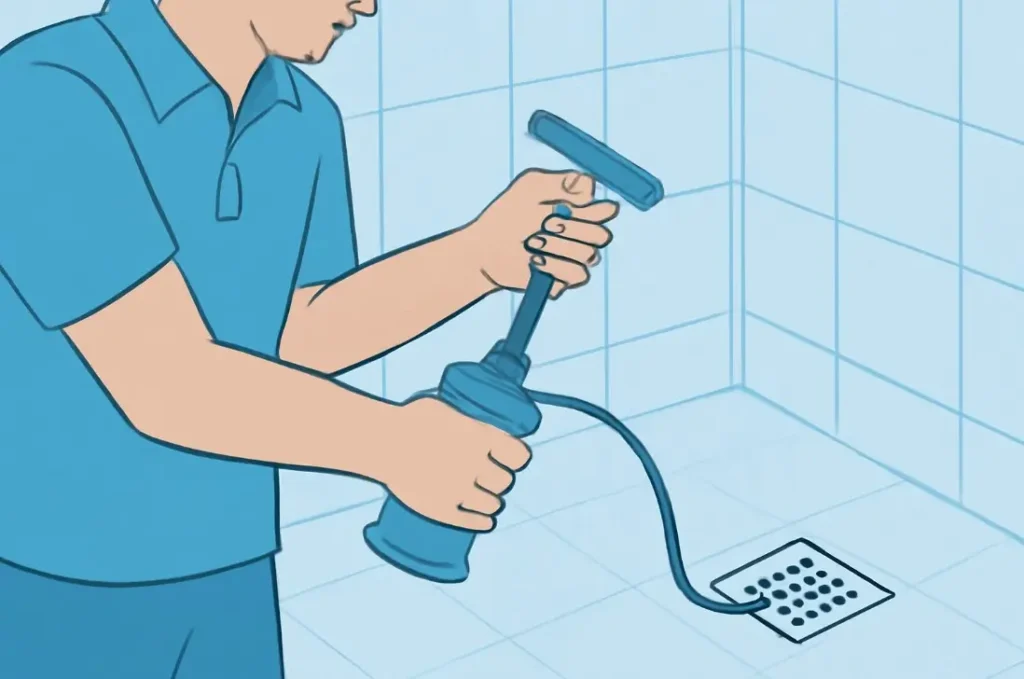
When to Seek Professional Help for Snaking a Shower Drain
Some drain issues go beyond DIY solutions, and recognizing when to call a professional can prevent costly damage to your plumbing system. Key Situations to Call a Plumber:- Complex clogs involving multiple fixtures
- Recurring clogs that only provide temporary relief
- Old plumbing systems that may be damaged by modern snaking tools
- Signs of pipe damage, such as unusual resistance or grinding sounds
- Damaged pipes
- Tree root infiltration
- Resistance when using a drain snake
- Grinding or unusual noises during snaking
Call Drain Pros Ventura for Shower Drain Solutions
Snaking a shower drain is an effective and affordable way to clear most common blockages when done correctly. Success depends on:- Using the right tools
- Following proper procedures
- Knowing when to call a professional