
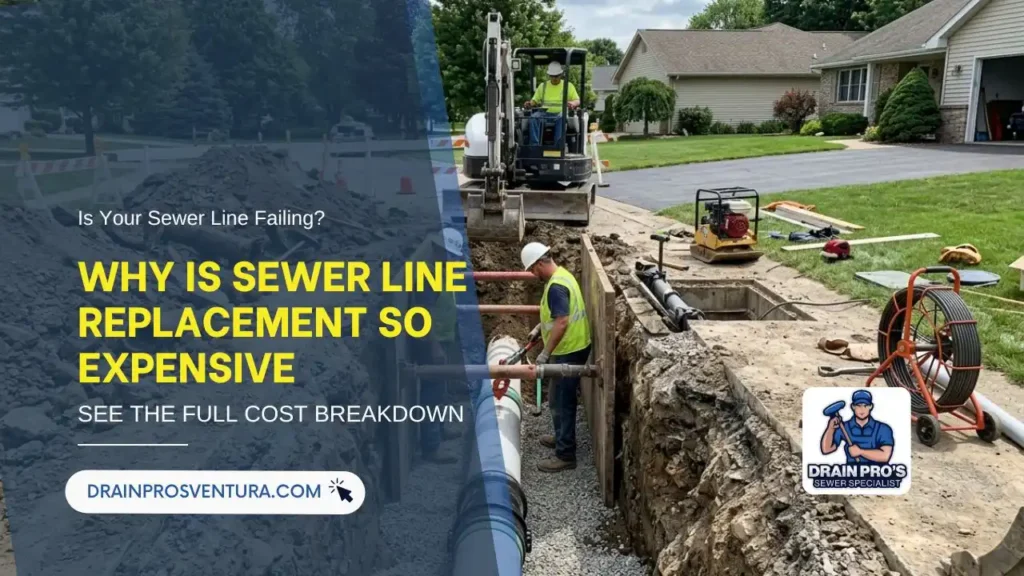
Do you have areas of slowing drainage or bad odor, or water collecting in your yard? These may be the indicators of replacement of your sewer line.
Although this may not be a major problem, the cost of replacing sewer lines can easily accumulate and end up costing home owners hefty bills.
Replacement of sewer line is a complex operation and there are several factors that come into play that determine the final cost.
The depth, length of the pipe and even the process of replacing the same contribute to the increment in the cost.
These are some of the most important factors to understand in order to make informed decisions when it comes to your sewer system and budget.
In this guide, you’ll learn:
- Why sewer line replacement is costly
- The factors that affect sewer line replacement cost
- Average cost breakdown for replacement
- How long the replacement process typically takes
- When to call in professionals for affordable solutions
By the end of this article, you’ll have a clearer understanding of sewer line replacement, why it’s so expensive, and how to navigate the process effectively without breaking the bank.
Why Is Sewer Line Replacement So Expensive
Several factors contribute to the high cost of sewer line replacement. Each element adds complexity and expense to what might seem like a straightforward plumbing job.
Labor-Intensive Process
Sewer line replacement requires skilled professionals working for extended periods. The process involves multiple steps that can’t be rushed.
- Skilled professionals required
- Multiple steps involved
- Locating damaged pipes
- Excavation and pipe installation
Professional plumbers charge $75 to $150 per hour. Major sewer line projects often require 2-4 days of work with multiple crew members.
Specialized Equipment and Technology
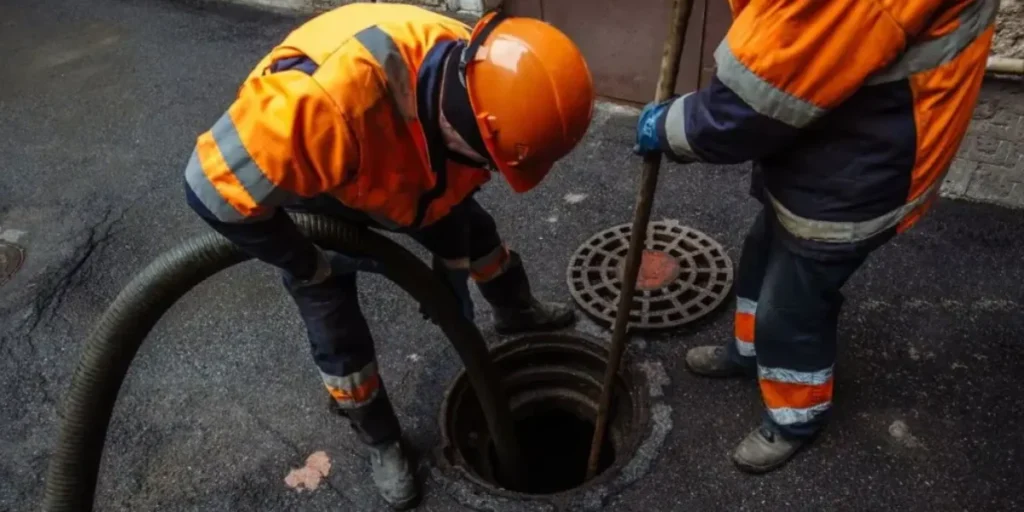
Modern sewer line replacement relies on expensive equipment that most contractors must rent or finance.
Essential equipment includes:
- Excavators for digging trenches
- Pipe locating devices
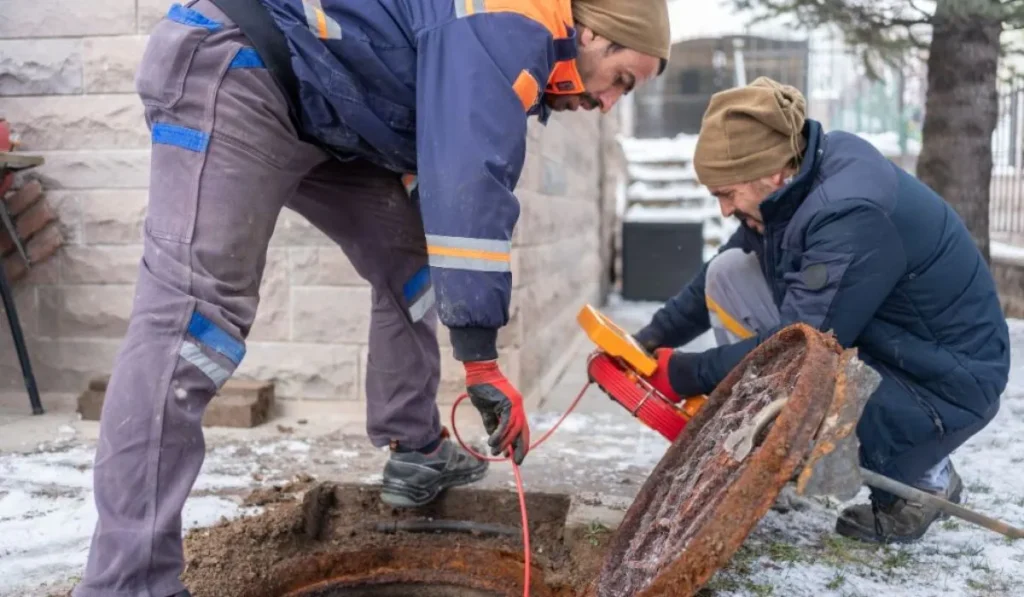
- Video inspection cameras
- Trenchless boring machines
- Compaction equipment
Trenchless technology equipment alone can cost contractors $100,000 or more. These costs get passed on to homeowners through project pricing.
Permits and Compliance
Most sewer line replacements require permits from local authorities. Permit fees range from $200 to $2,000 depending on your location and project scope.
The permit process involves:
- Submitting detailed project plans
- Scheduling inspections
- Meeting local building codes
- Ensuring proper connections to municipal systems
Some areas require additional compliance measures. These might include environmental assessments or traffic control plans for street work.
Material Costs
Sewer pipe materials have increased significantly in recent years. Quality pipes designed to last decades don’t come cheap.
Common pipe materials and their costs per foot:
- PVC: $3-$8 per foot
- Cast iron: $5-$15 per foot
- HDPE: $4-$12 per foot
A typical home needs 100-200 feet of sewer line replacement. Material costs alone can reach $1,500-$3,000 before installation.
Location and Accessibility
Your property’s layout directly affects replacement costs. Easy access means lower prices. Difficult locations drive expenses up quickly.
Cost-increasing factors include:
- Deep burial depth (over 6 feet)
- Lines running under driveways or structures
- Rocky or clay soil conditions
- Limited access for equipment
- Landscaping that requires restoration
Urban properties often face additional challenges. Street permits, traffic control, and working around utilities add thousands to project costs.
Extent of Damage
The scope of damage determines how much work contractors must complete. Minor repairs cost less than full line replacements.
Damage assessment reveals:
- How many feet of pipe need replacement
- Whether the main line or lateral connections need work
- If the connection to the street requires updates
- Whether soil contamination exists around broken pipes
Extensive damage might require replacing 200+ feet of pipe instead of just a small section.
What Factors Affect Sewer Line Replacement Cost?
Many things can change the total cost. The type of soil, pipe material, and how difficult it is to reach your sewer line all matter. Even weather conditions during construction can have an impact.
Unexpected obstacles underground can slow down work and add extra charges. Property location and local labor rates also play a role. Each project is different, so costs can vary widely.
Understanding cost variables helps you budget more accurately for this major home repair. Several key factors determine your final bill.
Length and Depth of the Sewer Line
Longer sewer lines cost more to replace. This seems obvious, but the relationship isn’t always linear.
Depth affects costs significantly:
- Shallow lines (2-4 feet): $50-$100 per foot
- Medium depth (4-8 feet): $100-$200 per foot
- Deep lines (8+ feet): $200-$400 per foot
Deeper excavation requires more time, specialized equipment, and safety measures. Contractors must shore up trenches and use larger excavators for deep work.
Type of Replacement Method
Two main methods exist for sewer line replacement. Your choice dramatically impacts costs.
Traditional excavation is often used for older properties or when pipes are severely damaged. It usually causes more disruption to your yard. Trenchless methods are newer, less invasive, and can often be completed faster.
Traditional Excavation:
- Lower material costs
- Higher labor and restoration expenses
- Disrupts landscaping and hardscaping
- Takes 3-5 days typically
Trenchless Methods:
- Higher upfront costs for specialized equipment
- Minimal landscape disruption
- Faster completion (1-2 days)
- Long-term cost savings from reduced restoration
Trenchless sewer line replacement costs 30-50% more upfront. However, you save money on landscape restoration and property damage.
If you’re comparing pricing in more detail, check out our guide on trenchless sewer line replacement cost.
Location and Accessibility
Your property’s characteristics influence labor costs and equipment requirements significantly.
Easy access properties feature:
- Sewer lines in open yard areas
- Level terrain with good soil
- No obstacles blocking equipment access
- Standard depth burial
Challenging locations include:
- Lines under patios, driveways, or buildings
- Steep slopes or rocky terrain
- Limited space for equipment positioning
- High water table areas
Difficult access can double your replacement costs compared to straightforward installations.
Extent of Damage
Comprehensive damage assessment reveals the true scope of work needed. This determines whether you need partial or complete line replacement.
Limited damage might involve:
- 20-50 feet of pipe replacement
- Single connection point repairs
- Minimal excavation work
Extensive damage often requires:
- Complete line replacement from house to street
- Multiple connection point updates
- Soil remediation around damaged areas
- Restoration of multiple landscape features
How Much Does It Sewer Line Replacement Cost
The cost to replace a sewer line can be a major expense for any homeowner. Prices are rarely the same from one home to another. Several factors add up quickly, so it’s important to get a detailed estimate before starting any work.
Sewer line replacement costs vary widely based on the factors discussed above. Understanding typical price ranges helps you budget appropriately.
Average Cost Range for Sewer Line Inspection and Replacement
Most homeowners pay between $3,000 and $15,000 for sewer line replacement. However, costs can extend beyond this range for complex projects.
Typical Cost Breakdown:
- Small repairs (20-50 feet): $3,000-$7,000
- Medium replacements (50-100 feet): $7,000-$12,000
- Full line replacement (100-200 feet): $12,000-$25,000
These ranges include materials, labor, and basic permits. Additional costs might apply for challenging installations.
Breakdown of Costs for Materials, Labor, and Permits
Understanding how contractors price sewer line projects helps you evaluate estimates more effectively.
Material Costs (25-35% of total):
- Pipe materials: $3-$15 per foot
- Fittings and connections: $200-$800
- Backfill materials: $300-$1,000
Labor Costs (50-65% of total):
- Excavation work: $50-$200 per foot
- Pipe installation: $25-$75 per foot
- Restoration work: $20-$100 per foot
Permits and Fees (5-10% of total):
- Building permits: $200-$2,000
- Inspection fees: $100-$500
- Street work permits: $500-$3,000
Examples of Pricing for Different Scenarios
Real-world examples illustrate how various factors affect sewer line replacement cost.
Scenario 1: Simple Residential Replacement
- 75 feet of shallow PVC pipe replacement
- Open yard with good access
- No complications or obstacles
- Total cost: $6,000-$9,000
Scenario 2: Challenging Urban Replacement
- 125 feet of deep cast iron replacement
- Line runs under driveway and sidewalk
- Street connection update required
- Total cost: $15,000-$22,000
Scenario 3: Trenchless Replacement
- 100 feet using pipe bursting method
- Minimal landscape disruption
- Premium materials and specialized crew
- Total cost: $12,000-$18,000
Can I Replace a Sewer Line Myself?
DIY sewer line replacement might seem like a way to save money. However, this project involves significant risks and challenges that most homeowners can’t handle safely.
Risks and Challenges of DIY Sewer System Repair Tips
Sewer line work presents serious hazards that require professional training and equipment to manage safely.
Safety Risks Include:
- Trench collapse during excavation
- Exposure to toxic sewer gases
- Contact with contaminated soil and water
- Risk of hitting underground utilities
Technical Challenges:
- Proper pipe grading for water flow
- Connecting to municipal sewer systems
- Meeting local building code requirements
- Ensuring long-term durability
Legal Issues:
- Most areas require professional installation
- Permit requirements often specify licensed contractors
- Insurance may not cover DIY work damage
- Improper work can violate municipal codes
Importance of Professional Expertise for Long-Term Solutions
Professional plumbers bring expertise that ensures your sewer line replacement lasts for decades.
Licensed contractors provide:
- Proper system design and engineering
- Quality materials and installation techniques
- Warranty coverage on workmanship
- Compliance with all local codes
DIY mistakes often lead to:
- Recurring blockages and backups
- Premature pipe failure
- Water damage to your property
- Expensive repairs to correct poor work
When to Call Experts for Affordable Sewer Line Replacement
Certain situations require immediate professional intervention to prevent costly damage.
Call professionals when you notice:
- Multiple drain backups throughout your home
- Sewage odors in your yard or basement
- Unusual wet spots in your lawn
- Foundation settling or cracking
Emergency Situations:
- Raw sewage backup in your home
- Collapsed pipe blocking all drainage
- Contaminated water in your basement
- Municipal notices about sewer connection problems
Early professional intervention often costs less than waiting until problems worsen.
How Long Does Sewer Line Replacement Take?
Project duration affects your daily life and sometimes influences total costs. Understanding typical timeframes helps you plan appropriately.
Typical Time Frame for Traditional and Trenchless Methods
Traditional excavation methods generally take longer but offer more predictable timelines.
Traditional Excavation Timeline:
- Day 1: Permits, marking utilities, initial excavation
- Day 2-3: Complete excavation and pipe removal
- Day 4: New pipe installation and connections
- Day 5: Backfill, compaction, and restoration
Trenchless Method Timeline:
- Day 1: Setup, access pit excavation, equipment positioning
- Day 2: Pipe installation using specialized equipment
- Day 3: Connection completion and site restoration
Weather conditions can extend either method by 1-3 days.
Factors That Can Affect the Duration of the Project
Several variables can extend your sewer line replacement timeline significantly.
Delay-Causing Factors:
- Unexpected utility conflicts requiring rerouting
- Rocky soil conditions requiring special equipment
- Weather delays during excavation phases
- Permit approval delays from local authorities
- Discovery of additional damage during work
Preparation Steps That Speed Progress:
- Clearing access areas before work begins
- Obtaining permits in advance when possible
- Marking all underground utilities properly
- Having backup contractors available for specialized work
Complex projects might take 1-2 weeks instead of the typical 3-5 days.
Call Drain Pros Ventura for Sewer Line Replacement Solution
Sewer line problems don’t wait for convenient times. When you need reliable, professional sewer line replacement, Drain Pros Ventura provides the expertise and equipment necessary for lasting solutions.
Our experienced team offers:
- Comprehensive sewer line inspections
- Both traditional and trenchless replacement options
- Transparent pricing with detailed estimates
- Licensed, insured professional installation
- Warranty coverage on all workmanship
Be sure that your sewer line issues do not interfere with your life and harm the property or environment of others.
Call Drain Pros Ventura today and allow our specialists carry out a professional assessment and affordable sewer line replacement services that will safeguard your household and family.
Knowing how much sewer line replacement costs can be used to make better decisions when difficulties come up
Although the cost may appear to be high, professional replacement offers a long-term of quality
and safeguards the value of property.
Frequently Asked Question
What signs indicate that I need a sewer line replacement?
Multiple backups, gurgling drains, odors, lush grass patches, foundation cracks, or frequent clogs.
Is trenchless sewer line replacement a cost-effective option?
Yes, it costs more upfront but offers faster, less disruptive, and longer-lasting results.
Does homeowner’s insurance cover sewer line replacement costs?
Usually not, unless sudden accidental damage or specific riders apply.
How can I prevent sewer line damage in the future?
Schedule inspections, avoid flushing waste, manage tree roots, and maintain proper drainage.
What is the lifespan of a sewer line before it needs replacement?
Depending on materials, 50–100+ years with proper care and conditions.