

Have you ever walked into your home only to be greeted by a strong sewer odor? Not only is it unpleasant, but it can also signal a more serious plumbing issue that requires immediate attention.
A sewer smell in your house is something you simply can’t ignore. These odors often appear in bathrooms, kitchens, or basements and may point to problems such as:
- Broken or leaking pipes
- Blocked vents
- Dried-up traps
Identifying the origin of the odor is crucial for correcting the problem and preventing further damage.
This guide will cover:
- The most common causes of sewer smells in the home
- How to pinpoint the source of the odor
- DIY solutions you can try
- Situations where calling a professional plumber is necessary
It provides practical tips to locate and eliminate the source of the smell, helping you keep your home clean and safe.
What Does Sewer Gas Smell Like?
How can you tell if the smell in your home is sewer gas? Common indicators include:
- Does it smell like rotten eggs? This is usually caused by hydrogen sulfide in sewer gas.
- Is there a foul or musty odor? Sometimes it can resemble decaying organic matter or dampness.
- Does it have a sharp, chemical-like scent? Some leaks produce a slightly pungent chemical smell.
Noticing these odors in your bathroom, kitchen, or basement is a strong sign that something in your plumbing system isn’t working properly.
Where the smell is strongest can help you pinpoint the source—whether it’s a dried-up trap, blocked vent, or leaking pipe.
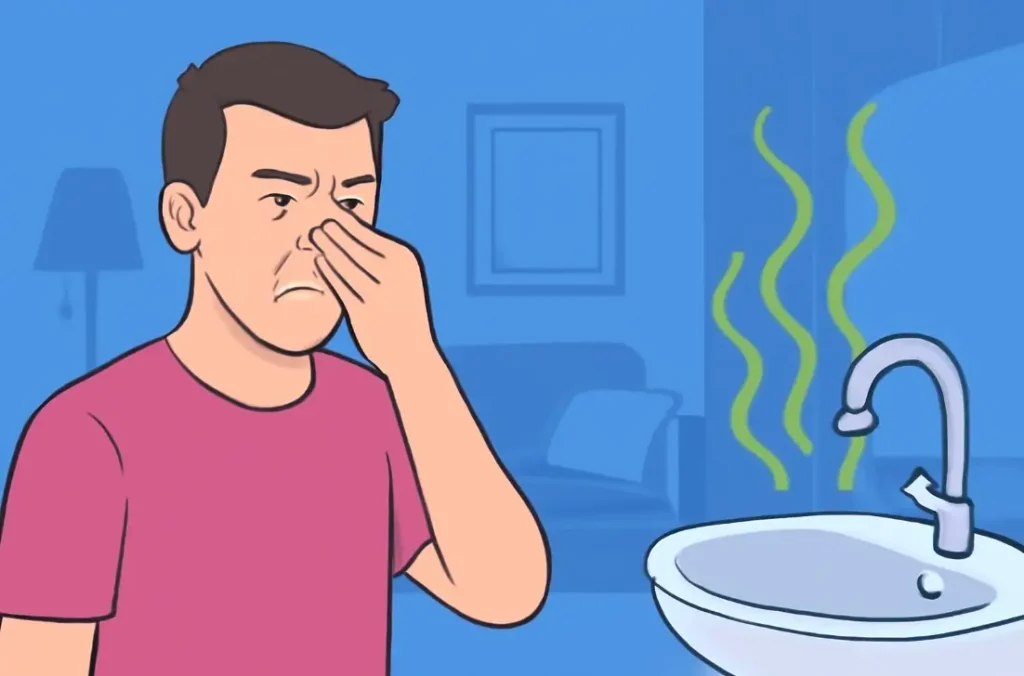
Why Does My House Smell Like Sewer?
A sewer smell in your home can quickly turn a comfortable space into an unpleasant environment. That foul, “rotten egg” odor doesn’t just affect your quality of life, it can also signal serious plumbing issues that need attention.
Here, we’ll explain why your house might smell like sewage, how to identify the source, and what you can do, whether it’s a DIY fix or calling a professional.
Common Causes of Sewer Smell in a House
Identifying the source of the odor is the first step to solving the problem. Common causes include:
1. Dry or Empty P-Traps
P-traps are the curved pipes under sinks, tubs, and floor drains that hold water, creating a barrier against sewer gases. When they dry out, odors can travel into your home, often in bathrooms or basements.
Common reasons P-traps dry out:
- Infrequently used fixtures, such as guest bathrooms or seasonal sinks
- Hot weather that speeds up evaporation
- Leaks in the trap itself
Regularly running water through all drains, even briefly, can help maintain the water barrier and prevent odors.
2. Cracked or Damaged Sewer Pipes
Underground sewer pipes can crack or break over time, allowing sewer gas to escape into your home. The smell can travel through floor drains, walls, or foundation cracks, and may worsen over time if left untreated.
Causes include:
- Aging pipes that have weakened over time
- Tree roots growing into or around pipes
- Shifting ground or settling foundations
Pipe damage often requires professional repair or replacement, especially if the problem is widespread.
3. Blocked or Clogged Vent Pipes
Vent pipes are designed to release sewer gases safely outside your home. If these vents become blocked, gases can back up into living spaces, causing noticeable odors indoors.
Common blockages include:
- Bird nests, leaves, or other debris
- Ice buildup during winter
- Damaged or collapsed vent pipes
Regular inspection and clearing of vents can help prevent this problem and ensure your plumbing system functions properly.
4. Plumbing Leaks
Even small leaks inside walls, floors, or ceilings can create a persistent sewer smell. These leaks may go unnoticed until the odor becomes strong, and they can also lead to water damage or mold growth.
Signs of leaks include:
- Water stains or damp spots on walls and ceilings
- Mold or mildew around plumbing areas
Addressing leaks promptly is important to prevent further damage and maintain a healthy indoor environment.
5. Improperly Installed Fixtures
Poorly installed or loose plumbing fixtures can allow sewer gas to seep into your home. This can happen with toilets, sinks, or showers that are not sealed correctly.
Indicators include:
- Toilets that rock or feel loose
- Gaps around drains or pipes
- Persistent odor near fixtures
Checking and tightening connections or resealing fixtures can often eliminate odors without major plumbing work.
How to Find the Source of Sewer Smell in Your Home
Locating the exact source of a sewer smell requires a careful and systematic approach. Start by checking the areas where plumbing issues are most likely to occur.
Inspecting Common Problem Areas
Bathrooms
- Check around toilets for loose seals or cracks.
- Run water in all sinks, tubs, and showers to ensure P-traps are full.
- Look for visible leaks, water stains, or signs of damage.
Kitchen Areas
- Pour water down drains that are rarely used to keep P-traps full.
- Inspect garbage disposal connections for leaks or gaps.
- Check under-sink plumbing for loose fittings or moisture.
Basement and Crawl Spaces
- Inspect floor drains to make sure P-traps are not dry.
- Look for cracks in foundation walls where sewer gas could escape.
- Search for any visible pipe damage or signs of leaks.
Exterior Areas
- Examine roof vent pipes for blockages from debris, leaves, or nests.
- Check around the foundation for sewage odors or signs of leaks.
Professional Diagnostic Methods
Sometimes the source of sewer gas is hidden or difficult to locate. Professional plumbers use specialized methods to identify problems accurately:
- Smoke Testing: Special smoke is introduced into the plumbing system to reveal where gases are escaping.
- Camera Inspections: Small cameras are sent through pipes to detect cracks, blockages, or other damage without digging.
- Pressure Testing: This method tests the plumbing system’s pressure to locate hidden leaks that may be causing odors.
When to Be Concerned About Sewer Smells?
Persistent sewer odors, especially if they occur in multiple areas or are accompanied by gurgling drains, slow drainage, or pooling water, may indicate serious plumbing issues such as a blocked sewer line, damaged vent pipe, broken sewer line, or leaky septic system.
Call a professional plumber if you notice:
- Persistent or widespread odors
- Gurgling sounds or slow drains
- Yard issues like soggy spots
- Visible water pooling, mold, or suspected vent problems
Sewer gases can contain harmful compounds like methane and hydrogen sulfide, which may cause headaches, dizziness, nausea, or more severe health risks.
Quick checks before calling a plumber:
- P-traps: Run water in dry drains to restore the seal against sewer gas
- Septic system: Look for odors or standing water around the tank
While minor issues may be resolved with these steps, persistent or widespread smells always require professional attention.

How to get rid of the sewer smell in the house?
Sewer odors can be unpleasant and may signal plumbing issues. Start by ventilating the area, then address the source of the smell. If the problem persists, professional help may be needed.
Immediate Actions
- Ventilate – Open windows and doors, and use exhaust fans to remove stale air.
- Run Water in Drains – Fill P-traps in sinks, tubs, and floor drains to restore the water barrier.
- Flush Toilets – Ensure every toilet is flushed to maintain a proper seal.
Troubleshooting the Source
- Refill P-Traps – Dry traps allow sewer gas to enter your home. Add water to unused drains.
- Clean Drains – Pour baking soda and vinegar, then flush with hot water to remove buildup.
- Check Floor Drains – Basement or utility drains can dry out; refill with water.
- Inspect Toilet Seals – A failed wax ring can let odors escape; replacement may require a plumber.
- Check Plumbing Vents – Debris in roof vents can cause gases to back up; professional cleaning may be needed.
When to Call a Professional
- Persistent odors after DIY fixes
- Leaky pipes or sewer line issues
- Clogged vent stacks
- Failed toilet seals or other sewer system problems
A professional plumber can pinpoint and repair complex issues, keeping your home safe and odor-free.
Is It Safe to Stay in a House That Smells Like Sewer?
A sewer smell in your home is more than unpleasant, it can be a health hazard. Sewer gas often contains harmful compounds such as methane, hydrogen sulfide, ammonia, and carbon dioxide, which can irritate your eyes, nose, and respiratory system. Prolonged exposure can cause headaches, dizziness, nausea, and in severe cases, loss of consciousness.
If the odor is strong, persistent, or widespread, it is not safe to stay in the house until the source is identified and fixed. For mild odors from a single drain, running water or simple maintenance may temporarily reduce the smell, but professional inspection is recommended to prevent hidden hazards.
Key takeaway: Always take sewer odors seriously. Even if the smell seems minor, confirming the source and addressing it promptly protects both your health and your home.
Trust Drain Pros Ventura to Solve Sewer Smell Problems in Your Home
If sewer odors are affecting your home, Drain Pros Ventura provides reliable, professional solutions to locate and fix the source quickly. Serving Ventura County, the San Fernando Valley, and Santa Clarita, our experienced team uses advanced diagnostic tools, including camera inspections, smoke testing, and pressure testing, to identify hidden leaks, blockages, or vent issues.
With expert repairs and preventive maintenance, we help keep your home safe, fresh, and free from harmful sewer gases. Whether it’s a minor fix or a major plumbing problem, Drain Pros Ventura ensures your home returns to a healthy, comfortable environment.
FAQs About Sewer Smell in House
Q: How do I find the source of sewer smell in my house?
A: Start by inspecting common problem areas such as bathrooms, kitchens, basements, and floor drains. Check P-traps, look for leaks, and inspect vent pipes. If the source is not obvious, professional tools like smoke testing, camera inspections, or pressure testing can locate hidden issues.
Q: How do I fix the sewer smell in my house?
A: Minor odors from dry drains can be fixed by running water to refill P-traps. Clean clogged drains, check for loose or damaged fixtures, and inspect the septic system if applicable. Persistent or widespread odors should be addressed by a professional plumber.
Q: Is sewer smell in the house harmful?
A: Yes, sewer gases contain compounds such as methane, hydrogen sulfide, ammonia, and carbon dioxide, which can irritate your eyes, nose, and respiratory system. Prolonged exposure may cause headaches, dizziness, nausea, and in severe cases, loss of consciousness.
Q: Why does my house smell like sewer in the winter?
A: Winter odors often occur when vent pipes freeze or become blocked with ice, preventing sewer gases from escaping properly. Dry P-traps in rarely used fixtures can also allow odors to enter your home during cold weather.