
Have you ever walked into your kitchen or bathroom and been met with a foul smell coming from the sink?
It’s a common problem for many homeowners, but not everyone knows how to fix it. A sink drain smell is more than just an annoyance; it’s a sign that something isn’t quite right.
Common causes of a stinky sink include:
- Food scraps stuck in the drain
- Stagnant or trapped water
- Buildup of soap, grease, or other debris
If left untreated, these issues can lead to bigger problems over time.
In this post, we’ll cover:
- The common causes of smelly sinks
- Practical solutions to eliminate odors
- Tips to prevent future smells
Whether it’s your kitchen or bathroom drain, these tips will help you restore a fresh, clean-smelling space.
With the right approach, you can tackle the odor at its source and enjoy a cleaner, more pleasant kitchen or bathroom.
What Causes a Smelly Sink Drain?
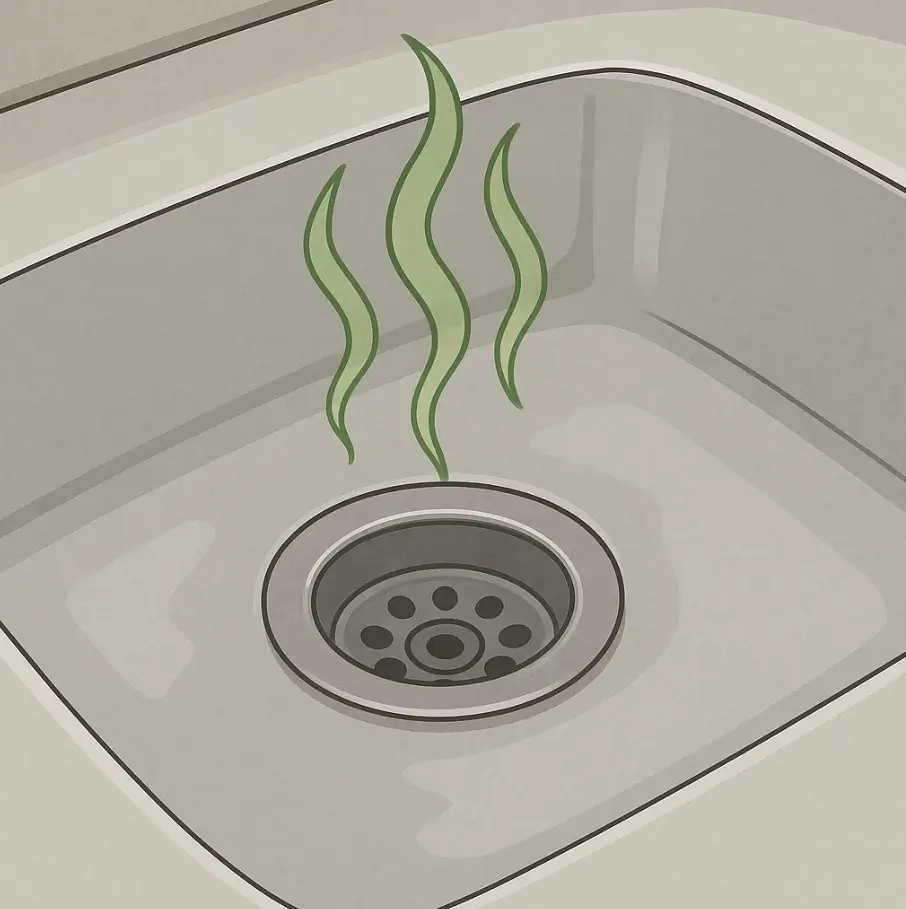
A smelly sink is a common issue in many homes. Over time, everyday debris can accumulate in your pipes and create the perfect environment for bacteria and mold. These microorganisms break down organic matter, producing unpleasant odors that can make your kitchen or bathroom less inviting.
The main causes include:
Food Scraps and Organic Buildup
Kitchen sinks see a lot of traffic. Even with care, food particles go down the drain.
Common culprits:
- Coffee grounds
- Vegetable peels
- Rice grains
These stick to pipe walls and rot over time. Decomposition produces hydrogen sulfide gas, which smells like rotten eggs. Even small particles, like leftover spaghetti sauce, can cause odors.
Grease and Soap Residue
Grease might seem harmless when it’s hot and liquid, but once it cools in your pipes, it solidifies. This creates a sticky trap that catches other debris. Not only does this slow down your drain, but it also provides food for bacteria that produce foul-smelling gases.
Soap residue, especially from bar soaps, can also cause problems. It can combine with minerals in your water to form a thin film inside your pipes. This film:
- Traps hair, skin cells, and other organic matter
- Becomes another source of unpleasant odors
Together, grease and soap buildup are common culprits behind smelly drains and slow-flowing sinks.
Clogged or Slow Drains
When water doesn’t flow freely through your pipes, it can leave stagnant pools. These slow or blocked areas become a breeding ground for bacteria, turning your plumbing into a mini sewer system and causing unpleasant odors that can eventually rise back into your sink.
A slow drain also means that cleaning products and fresh water can’t fully wash away the sludge causing the smell. This creates a vicious cycle, and the problem tends to worsen over time.
Key points to keep in mind:
- Stagnant water allows bacteria to multiply quickly
- Blockages trap debris that contributes to odor
- Slow drainage reduces the effectiveness of cleaning efforts
Addressing slow drains promptly is essential to prevent lingering smells and maintain a healthy, fresh-smelling sink.
Bacterial Growth
Bacteria thrive in dark, damp areas with plenty of organic material, which drains provide. As these microorganisms break down trapped debris, they produce sulfur compounds that create strong, unpleasant odors. If you’re noticing a sulfur odor, learn why your sink smells like rotten eggs and the best ways to eliminate it before the problem gets worse.
Some bacteria also form biofilms, which are slimy layers that protect colonies of bacteria and make them harder to remove.
The P-trap, the curved pipe under your sink, is designed to hold water and block sewer gases from entering your home. However, if the water in the P-trap evaporates or becomes contaminated with bacteria, it can become a source of bad smells instead of preventing them.
Key points:
- Drains provide ideal conditions for bacteria to grow
- Bacteria produce sulfur compounds, causing foul odors
- Biofilms make bacterial buildup harder to remove
Contaminated or dry P-traps can turn into a source of smells
While bacteria in the drain are a common cause of sink odors, a sewer-like smell throughout your home may point to a larger plumbing issue. Find out why your house smells like sewer and when it’s time to call a professional.
How to Remove Sink Drain Smell?
A foul-smelling sink can be more than just annoying, it often signals buildup or bacteria in your drain. Luckily, there are several ways to tackle the problem effectively.
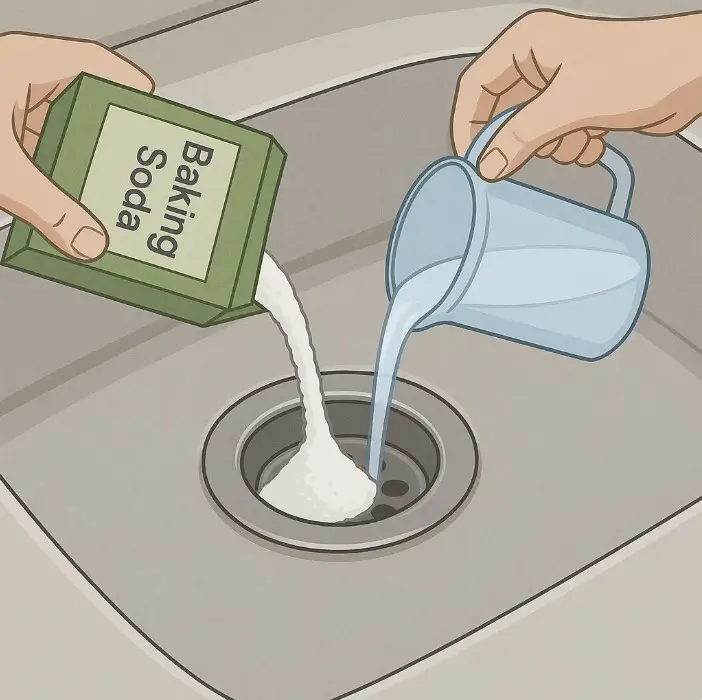
Start with a baking soda and vinegar treatment:
- Pour ½ cup of baking soda down the drain, followed by ½ cup of vinegar.
- Let it sit for 15 minutes so the fizzing action can break down grime and odors.
- Flush with hot water to wash away remaining residue.
For grease and soap buildup, pour dish soap mixed with boiling water down the drain. This helps dissolve stubborn grime that contributes to unpleasant smells.
If odors persist, a commercial drain cleaner can tackle bacteria and slime buildup that home remedies may not fully remove. Regular cleaning is important to prevent odors from returning.
DIY Cleaning Tips
Before calling a professional, try these simple methods:
- Remove visible debris: Check the drain opening and pop-up stopper for hair, soap scum, or food particles.
- Flush with boiling water: Helps loosen grease and wash away loose particles.
- Clean the drain stopper thoroughly: For bathroom sinks, this is often the main source of lingering odors.
Enzyme Cleaners
Enzyme cleaners are a gentle and eco-friendly option that break down organic matter and bacteria causing odors.
- Pour the recommended amount down the drain and let it work overnight.
- Use monthly for ongoing maintenance to prevent future buildup and keep drains fresh.
When to Call a Professional
Sometimes DIY methods aren’t enough. If odors persist despite repeated cleaning, you may have deeper issues like:
- Deep clogs
- Damaged pipes
- Venting problems
Professional drain cleaning services, like those from Drain Pros Ventura, can reach areas home remedies cannot, effectively solve persistent odors, and ensure your plumbing is working properly.
How to Clean a Stinky Sink Drain Effectively
Cleaning a stinky sink drain works best when you follow a step-by-step approach. Start at the surface and work your way down.
Begin by removing the drain stopper and scrubbing it thoroughly. Use an old toothbrush to clean around the drain opening and remove any visible debris. This initial step clears out the buildup that often causes odors.
Next, apply your preferred cleaning method:
- Baking soda and vinegar: Pour baking soda down the drain, followed by vinegar. Let it sit, then flush with hot water.
- Commercial drain cleaner: Follow the instructions carefully to break down grime and bacteria.
- Enzyme-based cleaner: Eco-friendly option that works overnight to dissolve organic matter.
Allow enough time for the cleaner to work, then flush the drain with plenty of hot water to wash away loosened grime.
For stubborn odors, repeat this process weekly until the drain is fresh. Once the smell is under control, switch to a monthly maintenance routine. Regular cleaning prevents odors from returning and keeps your sink drain hygienic.
Preventing sink drain odors is easier than dealing with them after they appear. A few simple habits can keep your drains clean and fresh.
Start with regular cleaning. Pour hot water down your drain once a week to flush away grease, food debris, and soap residue that can cause odors.
Another simple method is to use a drain screen. It collects leftover food scraps, hair, and other debris before they enter the drain, preventing buildup that can lead to stinky smells.
You can also clean your drain with natural ingredients. Pour ½ cup of baking soda followed by ½ cup of vinegar once a month to keep your pipes odor-free and fresh.
Routine Maintenance Practices
Consistency is key when preventing drain smells. Some helpful habits include:
- Flush drains with hot water for 30 seconds after each use to remove small particles.
- Run water in sinks that aren’t used often to keep the P-trap filled.
- If going on vacation, pour a small amount of mineral oil into rarely used drains to slow evaporation and maintain the water barrier.
Avoiding Clogging Substances
Be mindful of what goes down your drain to prevent odors and clogs:
In the kitchen:
- Scrape plates thoroughly before washing.
- Avoid pouring grease or oil down the sink.
- Use a sink strainer to catch food particles.
Dispose of coffee grounds and other organic waste in the trash or compost.
In the bathroom:
- Remove hair from the drain regularly.
- Avoid letting soap slivers go down the drain.
- Consider switching to liquid soap if bar soap leaves residue.
Call Drain Pros Ventura for Sink Drain Smell Solutions
Persistent sink drain odors can be frustrating and difficult to eliminate with home remedies alone. Strong or recurring smells often require professional intervention, saving you both time and stress.
Drain Pros Ventura offers comprehensive drain cleaning and water odor removal services throughout Ventura. Their experienced team uses advanced equipment and proven techniques to tackle even the toughest drain issues.
Whether you’re dealing with a blocked sink or multiple drains throughout your home, Drain Pros Ventura can restore your plumbing quickly and efficiently, bringing peace of mind back to your household.
To schedule a service with professional drain cleaners in Ventura, visit their website or call Drain Pros Ventura today.
Frequently Asked Question
Why does my sink drain smell even after cleaning?
Persistent odors often indicate that the problem extends beyond the visible drain area. Buildup in your pipes, issues with the P-trap, or problems with your home’s venting system can cause smells to return quickly. A professional inspection can help identify and resolve these deeper issues.
Can food scraps cause a smelly sink drain?
Yes. Food scraps are one of the main causes of kitchen drain odors. Even small particles can accumulate over time and decompose in your pipes. To prevent this:
Scrape plates thoroughly before washing
Use a sink strainer to catch food waste.
How often should I clean my sink drain to prevent odor?
Regular maintenance helps prevent odors from developing. Recommendations include:
Weekly hot water flushes for everyday use.
Monthly deep cleaning with baking soda and vinegar or enzyme cleaners.
High-use sinks may need more frequent attention.
Rarely used drains should be flushed regularly to maintain the water barrier in the P-trap.
Are there natural ways to remove sink drain smells?
Yes, natural methods can effectively eliminate drain odors:
Baking soda and vinegar treatments.
Enzyme cleaners made from natural ingredients.
Regular hot water flushes.
Proper ventilation and preventive maintenance.
These methods keep your drains fresh and odor-free without relying on harsh chemicals.